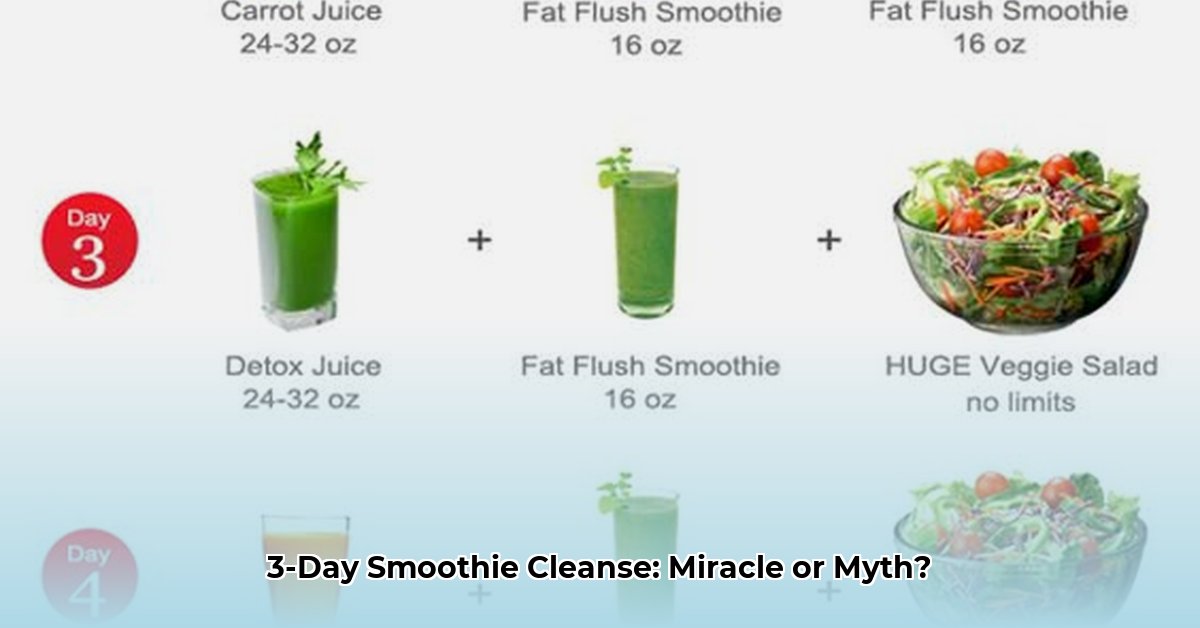
Three-Day Smoothie Cleanses: Hype vs. Reality
The allure of a three-day smoothie cleanse for rapid weight loss is undeniable. Marketing often promises a quick fix, a "reset" button for your body, and a significant drop on the scale. But does this quick cleanse deliver on its promises, or is it just another fleeting fad? This review examines the evidence, separating fact from fiction to help you make an informed decision.
Are these cleanses a truly effective weight-loss method, or simply a short-term solution with potential pitfalls? Let's explore the science, the potential risks, and the healthier alternatives.
The Allure of Speedy Results
The appeal of a three-day smoothie cleanse is understandable. Who doesn't want fast results? The marketing often highlights a simple path to quick weight loss and a feeling of internal renewal. This resonates with many seeking a rapid solution to weight management goals. However, the reality is more nuanced. While you may see a quick drop in weight, it's frequently due to water loss, not actual fat reduction.
What the Science Says (or Doesn't)
Scientific evidence supporting the dramatic claims made about three-day smoothie cleanses is limited. Our bodies are naturally efficient at detoxification; these cleanses often don't offer any significant advantage in this regard. Furthermore, restrictive diets can lead to nutrient deficiencies. The lack of sufficient protein and healthy fats can result in muscle loss and decreased energy levels over time. This makes them an unsustainable and potentially harmful approach to long-term health and weight management.
Potential Risks: Beyond the Scale
Beyond the lack of robust scientific support, several potential risks are associated with three-day smoothie cleanses:
Nutrient Deficiencies: Smoothies, even those that are very healthy, often lack the diverse range of nutrients found in balanced meals. This can lead to deficiencies in essential vitamins and minerals, impacting your overall health and energy.
Muscle Loss: Severely restricting calories can cause your body to break down muscle tissue for energy, a process that slows your metabolism and makes further weight loss even more difficult in the long run.
Blood Sugar Fluctuations: Many smoothie recipes contain a high concentration of fruit sugars, leading to blood sugar spikes and subsequent crashes. This is especially problematic for people with diabetes.
Unsustainable Results: The restrictive nature of these cleanses makes long-term adherence incredibly difficult. This often results in a frustrating cycle of weight loss and regain, also known as the "yo-yo" effect.
Is a temporary weight loss from fluid loss worth the potential long-term damage?
A Sustainable Path to Weight Management
Instead of a short-term cleanse, consider these healthier strategies for lasting weight management:
Balanced Diet: Aim for a variety of fruits, vegetables, lean proteins, and healthy fats. Avoid extremes, and focus on nutritious, whole foods.
Regular Exercise: Find physical activities you enjoy and make them a regular part of your routine. This boosts your metabolism and promotes calorie burning.
Mindful Eating: Pay attention to your hunger and fullness cues to avoid overeating.
Professional Guidance: Consulting a registered dietitian or other healthcare professional can provide personalized support and guidance.
Can a balanced dietary approach, coupled with regular exercise, offer sustainable weight management superior to quick fixes?
The Bottom Line: Prioritize Long-Term Health
While a three-day smoothie cleanse might seem appealing with its promise of quick weight loss, the potential harms outweigh the short-lived benefits. Focusing on a balanced diet, regular exercise, and mindful eating habits is far superior for sustained health and weight management. Remember, lasting well-being is a journey, not a race.